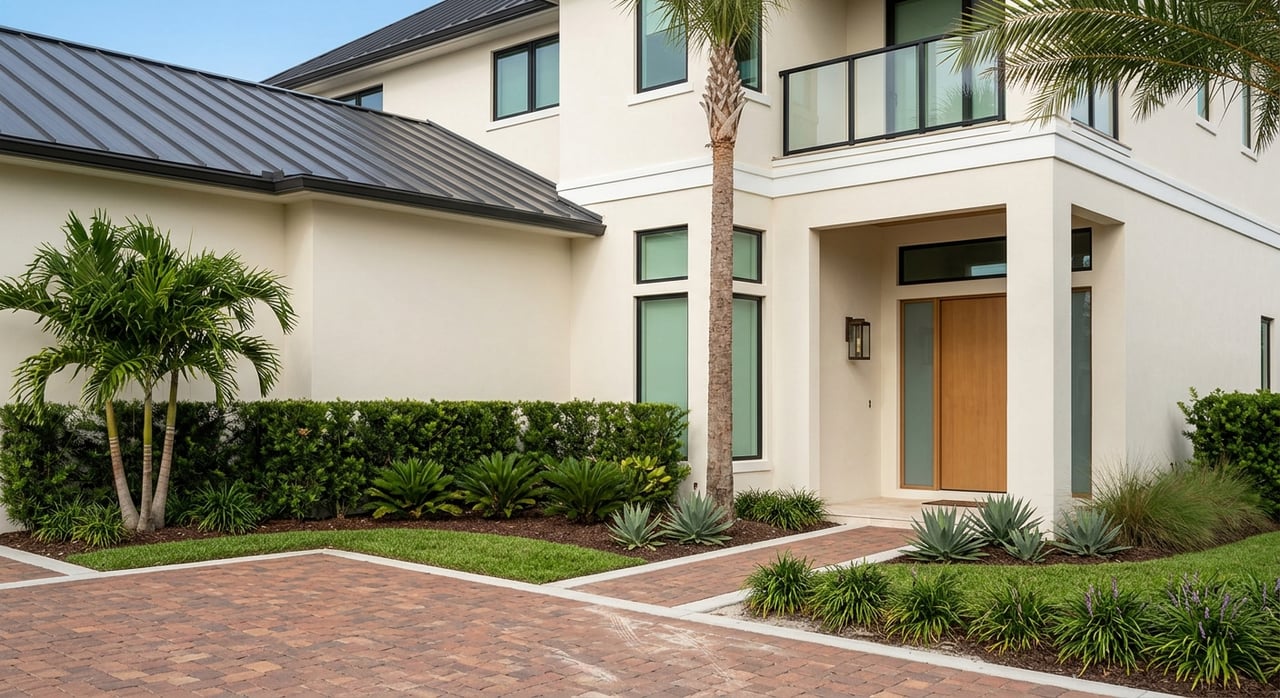
Explore Inlet Beach Rental Hotspots for Investors
June 4, 2026
June 4, 2026
If you are looking at Inlet Beach for short-term rental potential, one question matters right away: where in and around Inlet Beach will guests actually want to stay, and what will it take to run that property well? This part of 30A benefits from strong tourism demand, but not every pocket performs the same way or fits the same investment plan. When you understand beach access, community rules, local registration requirements, and guest logistics, you can buy with more confidence. Let’s dive in.
Inlet Beach sits on the eastern edge of Walton County between the Gulf and Lake Powell, and the area is shaped by access to the beach, connected roadways, and a pedestrian-friendly layout. The Inlet Beach Neighborhood Plan emphasizes bicycle and pedestrian circulation, beach-access connections, and commercial activity near US 98 and 30A.
For investors, that matters because guest convenience often drives booking appeal. Homes that make beach days easier and reduce transportation friction can stand out in a market where location details influence the overall stay.
South Walton also benefits from deep visitor demand. Walton County Tourism reported that 2024 tourism generated almost $5 billion in economic impact and more than $4 billion in direct visitor spending, which helps explain why the eastern 30A corridor stays on many investors’ radar.
The beachside sections of Inlet Beach often deserve the closest look first. The county lists Inlet Beach Regional Access at 303 W. Park Place Ave., and that access includes parking, restrooms, seasonal lifeguards, and ADA-accessible center-walk access.
Nearby county access points also include Wall Street, Winston Lane, Seacrest, Seabreeze, and Gulf Lakes. Some of those accesses do not offer parking, while regional access points do, which can make a meaningful difference for guests managing coolers, chairs, strollers, or multi-family group stays.
The neighborhood plan also identifies Orange Street and Wall Street as important north-south connectors. South Wall Street serves a public beach access without vehicular parking, so homes in immediate beachside blocks or along easy walkable routes may offer a more seamless guest experience.
These streets matter because they connect homes to the sand in a practical way. For a rental property, a short, easy route to a usable beach access can be just as important as the property’s square footage or finish level.
When you evaluate homes here, look beyond a map pin. You will want to confirm how guests actually move from the house to the beach, what they encounter along the route, and whether the nearest access supports the kind of stay you want to market.
Inlet Beach investors often compare nearby communities because guest demand can overlap across this part of 30A. Each area offers a different operating model, amenity set, and level of management complexity.
Rosemary Beach is built around a walkable Town Center, according to the property owners association. The community also highlights amenities such as multiple pools, an owners club or pavilion, and beach service.
For investors, this type of highly managed environment often supports premium positioning. At the same time, the POA states that its code governs development, construction, maintenance, and compliance, so buyers should expect a more structured ownership environment.
Seacrest Beach can be appealing for guests who value organized amenities. The HOA requires wristbands for the Lagoon Pool, Private Beach Access, and Tram Service, and it also requires guest check-in, parking passes, and compliance with vehicle rules.
That setup can support strong family-oriented vacation appeal, but it also adds operational layers. If you are underwriting a purchase here, plan for tighter guest communication, rule enforcement, and smoother arrival coordination.
Watersound Club describes a private beach club experience with boardwalk access, two large pools, dining venues, complimentary beach setups, paddleboards and kayaks, and beach bonfires. That amenity package can create a more resort-like feel than a standard rental street.
For some buyers, that supports a higher-end rental strategy. For others, it may mean a more specialized product with a different guest profile and cost structure than a traditional beach house in Inlet Beach proper.
Watersound Origins offers homeowners automatic enrollment in Watersound membership with amenities such as the Village Commons fitness center and pool and Lake Powell dock access. Owners can also upgrade for Beach Club and golf benefits.
Watersound Town Center, located at the entrance to Watersound Origins, is publicly open and includes Publix, Starbucks, restaurants, and other services. This pocket often fits buyers looking for year-round convenience, longer stays, or a value-conscious alternative to pure beach-walk inventory.
In this part of Walton County, guest convenience often shapes rental performance. A home may be attractive on paper, but if beach access is confusing, parking is limited, or rules are hard to manage, that can affect reviews, repeat stays, and operating efficiency.
As you compare properties, focus on practical guest experience factors such as:
These details can influence how easy it is to market the property and how smoothly guests can use it once they arrive.
A promising location is only part of the equation. In Walton County, short-term rental ownership also comes with registration, tax, and operational requirements that should be built into your buying decision from the start.
Walton County requires annual short-term vacation rental registration. The county states that Florida Department of Revenue registration, a DBPR lodging license, and Walton County TDT registration are required before county approval.
The state defines a vacation rental in Chapter 509 as a transient public lodging establishment in a condo, co-op, or a single-family to four-family dwelling. That means buyers should confirm early that their intended use lines up with the property type and local approval path.
For properties south of Choctawhatchee Bay, Walton County’s TDT rate is 5 percent of rent plus required non-refundable fees. Walton County also states that Airbnb, HomeAway, and VRBO do not remit county TDT on the owner’s behalf.
That is an important underwriting point. If you are projecting net income, make sure your model includes direct responsibility for this local tax process rather than assuming a platform handles it for you.
Walton County requires a Local Responsible Party unless the owner can reach the property within one hour. The county states that this party must be available 24/7 and monitor the property weekly for issues such as parking and trash.
For out-of-area owners, this is not a small detail. It affects how you set up operations, who manages guest issues, and whether your ownership experience feels hands-on or more turnkey.
Walton County requires advertising to match approved occupancy and parking. Listings must also include both the short-term vacation rental certificate number and the TDT registration number.
That means your listing strategy has to align with the home’s actual approved use. Overpromising on occupancy or parking can create compliance issues and operational problems.
Life-safety compliance deserves careful review before closing. County materials reference fire extinguishers, smoke detection, emergency lighting, occupancy limits, posted materials, and balcony inspections where applicable.
For Inlet Beach, South Walton Fire District is the local fire-safety contact. Buyers should factor both inspection readiness and upgrade costs into the acquisition plan.
If you are considering a carriage house or accessory dwelling unit as a separate rental strategy, Walton County says accessory dwelling units cannot be used as separate short-term vacation rentals. The Inlet Beach plan also includes its own ADU restrictions.
This is a major point to verify before buying a property based on a two-unit income idea. What looks flexible at first glance may not support the rental structure you had in mind.
Community rules can be stricter than county rules, and in this area they often play a major role in day-to-day operations. Seacrest Beach requires wristbands, parking passes, and guest check-in, while Rosemary Beach relies on a POA code for architecture and community standards.
That is why governing documents should be part of your buy box, not something you review after you go under contract. The right community can support your strategy, but the wrong fit can add friction, costs, and guest-management challenges.
Before you move forward on an Inlet Beach or eastern 30A rental property, it helps to pressure-test the deal with a few practical questions:
The answers can help you separate a good-looking property from one that truly fits your goals.
Inlet Beach investing is rarely just about finding a house near the water. It is about choosing the right micro-location, understanding how guests will use the property, and making sure county and community rules support your plan.
When you look at the market through that lens, you can compare opportunities more clearly and avoid expensive surprises. If you want help evaluating beach access, community restrictions, and rental-readiness in Inlet Beach or nearby 30A communities, the Bellville Team can help you approach the purchase with both lifestyle and investment value in mind.
Experience a level of service that goes beyond transactions. Whether you’re buying, selling, or exploring short-term rentals, we’re here to offer personalized insights and exclusive local expertise. Let’s collaborate to unlock your dream lifestyle on Santa Rosa Beach—because every connection brings you one step closer to the home you deserve.