Is the sand at your doorstep worth the price premium? If you’re eyeing a condo in Destin, deciding between gulf-front and gulf-view is one of the biggest value calls you’ll make. You want the right mix of lifestyle, rental income potential, and long-term resale strength without overpaying. In this guide, you’ll learn what truly drives the price gap, how to measure the premium in your building, and what costs and risks to weigh before you write an offer. Let’s dive in.
Gulf-front vs gulf-view in Destin
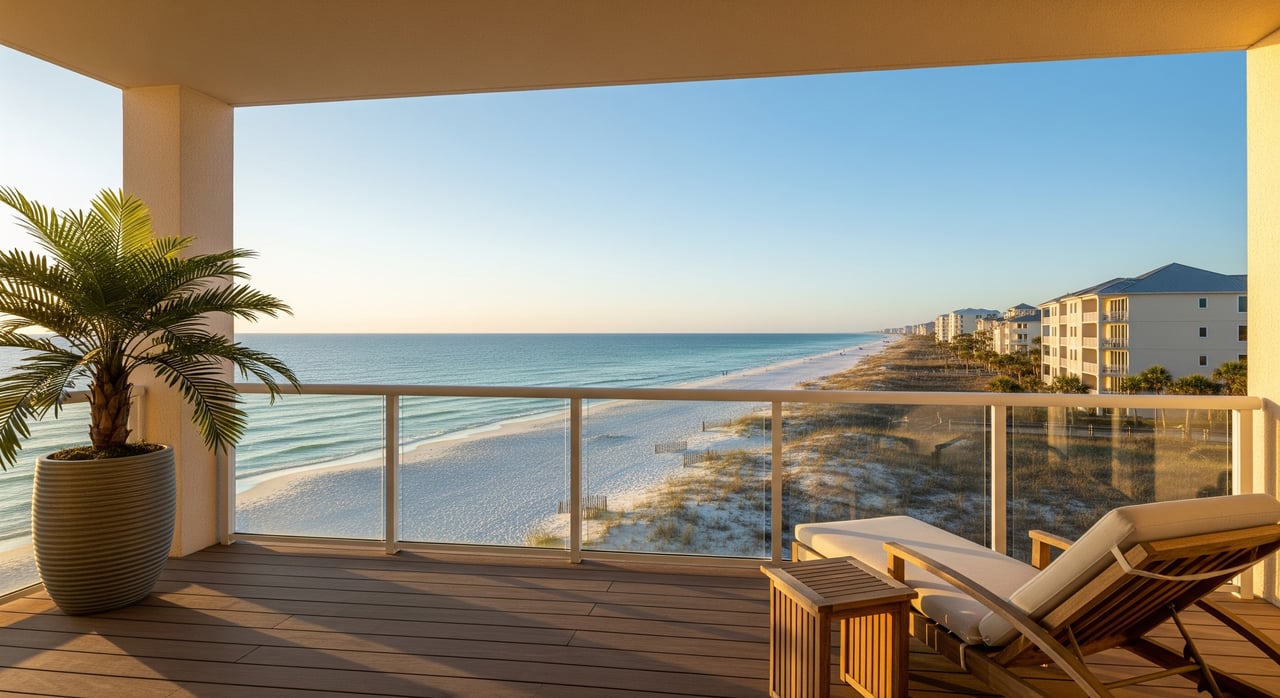
Destin is a resort market where position relative to the beach matters. Gulf-front typically means the building sits right on the sand with unobstructed views and direct beach access. Gulf-view means you can see the water, but the unit is set back, angled, or partially blocked, and higher floors may be needed for the best outlook.
Why it matters: buyers and renters pay for proximity, prestige, and uninterrupted vistas. In Destin’s seasonal and short-term rental market, that often translates to stronger pricing power and, for investors, the potential for higher nightly rates and demand.
What drives the price gap
Unit-level factors
- True frontage vs view-only. Direct, unobstructed exposure typically commands a premium because it improves daily experience and marketability.
- Floor level and orientation. Higher floors can transform a partial view into a panoramic one. Wrap-around balconies and floor-to-ceiling glass increase perceived value.
- Beach access. Deeded or private access and boardwalks add utility and can support higher prices compared to public access only.
- Size, layout, and condition. Bed/bath count, square footage, and renovations still set the baseline before view adjustments.
Building and community factors
- Amenities. Gulf-front buildings often pair views with strong amenities like pools, covered parking, and on-site management.
- Age, quality, and reserves. A newer gulf-view building with healthy reserves can outprice an older gulf-front building with maintenance or reserve challenges.
- Parking and access. In Destin, convenient parking and easy site access matter for both owners and renters.
Legal, financial, and financing
- Warrantability. Buildings with high investor ownership or litigation can be unwarrantable, limiting conventional and some government-backed financing and shrinking the buyer pool.
- HOA financials. Weak reserves or special assessments can offset any view premium.
- Deed or plat restrictions. Confirm beach access rights and any easements that affect exclusivity.
Market and economic forces
- Seasonality and tourism. Demand in Destin ebbs and flows with visitor patterns, influencing both pricing strategy and rental performance.
- Insurance and hazard risk. Gulf-front exposure can increase insurance costs due to flood and wind risks, which affects affordability and investor returns.
How to measure the gulf-front premium
There is no universal percentage for Destin. You need building-by-building evidence and a simple process:
Step-by-step approach
Pull relevant comps. Focus on sales from the past 12 to 18 months within the same building or immediate neighbors, matching size, layout, age, and condition.
Find a paired sale. Compare two similar units where the key difference is frontage vs view. Adjust for floor level, renovations, and amenities.
Triangulate the premium. Combine your paired sales insight with a broader comp set to see whether the gulf-front uplift holds across floors and stacks.
Cross-check with income. For investors, estimate the difference in annual net operating income based on realistic nightly rates and occupancy. The gulf-front premium often reflects higher rental income potential in peak seasons.
Sense-check against financing. If a building is unwarrantable or has costly assessments, the theoretical premium may compress in actual offers.
Investor lens: rental income and demand
Short-term rental performance
- Gulf-front units often command higher nightly rates and can capture stronger peak-season occupancy because guests value being on the sand.
- Seasonality still applies. Both gulf-front and gulf-view units experience seasonal swings, with summer typically outperforming shoulder periods.
Rules and permitting
- Short-term rentals require attention to local rules and any condominium restrictions. Some associations limit or prohibit nightly rentals, which impacts investor demand and pricing.
- Registration, taxes, and safety standards may apply. Confirm compliance early in your underwriting.
Financing and buyer pool
- Warrantability matters. If a project fails lender tests due to investor concentration or other issues, financing choices narrow. That can temper prices, even with great views.
- Government-backed loans. If you plan to use FHA or VA, confirm project approval or spot-approval options before you get too far.
Tax and reporting
- Rental income must be reported. Investors should plan for occupancy tax registration and standard expense deductions as part of cash-flow planning.
Costs and risks that affect net value
Insurance and natural hazards
- Flood risk. Gulf-front buildings are more likely to sit in higher-risk flood zones and may require flood insurance, often at higher premiums.
- Windstorm exposure. Florida wind coverage costs have risen in recent years. Elevation and wind-mitigation features can help, but quotes are essential before you commit.
HOA dues, assessments, and reserves
- Beachfront costs more to maintain. Dues may be higher to cover beach maintenance, dune projects, and insurance. Review reserve studies, master policies, and any planned assessments.
Maintenance and wear
- Salt air and wind accelerate exterior and mechanical wear on gulf-front buildings. Expect more frequent maintenance and factor that into your budget and pricing.
Liquidity and timing
- Even premium units can be seasonal. Days on market can stretch outside peak buying periods. Align pricing and launch timing with peak visibility to reduce time to contract.
Pricing strategy for sellers
- Document the premium. Use paired sales and a tight comp set to show the gulf-front uplift in your building or stack. Bring rental performance data if you target investors.
- Lead with the view. Invest in photography, video, and balcony staging to showcase lines of sight from primary rooms and outdoor spaces.
- De-risk buyer concerns. Be ready with HOA budgets, reserve reports, insurance details, and any mitigation updates to keep deals moving.
- Target the right audience. Market to both owner-occupants who value lifestyle and investors who value income, and price accordingly to broaden your buyer pool.
How to shop smart as a buyer
- Start with comps. Verify recent sales in your building and the neighbors, then isolate the frontage vs view difference.
- Verify access. Confirm deeded or recorded beach access and understand any public easements that affect exclusivity.
- Read the HOA. Review budgets, reserves, rental rules, litigation, and master insurance. Ask about special assessments and deductible structures.
- Get insurance quotes. Request wind and flood quotes early. Premiums can shift your affordability or return assumptions.
- Check financing. Confirm project warrantability and loan options if you need conventional, FHA, or VA financing.
- Model income. If you plan to rent short-term, estimate realistic nightly rates and occupancy by season and compute net operating income and cap rate.
Quick comparison checklist
- Experience: Do you want toes-in-the-sand access or a view at a lower entry price?
- Budget: Can you absorb potentially higher dues, insurance, and maintenance common with gulf-front buildings?
- Rental plan: Will higher peak-season rates on gulf-front meaningfully lift your net income after operating costs?
- Resale: Does your building have strong reserves and accessible financing to support liquidity at resale?
- Risk: Are you comfortable with flood and wind exposures, and do you have mitigation strategies in place?
A smart decision blends lifestyle goals with clear-eyed numbers. If you quantify the gulf-front premium in your specific building, confirm the operating costs, and understand the rules, you can buy or sell with confidence in Destin.
Ready to weigh your options and run the numbers for a specific building or stack? The hospitality-minded experts at the Bellville Team can help you compare comps, evaluate rental potential, and build a plan that fits your goals.
FAQs
How much more is a gulf-front Destin condo worth?
- It depends on the building, floor, layout, condition, and HOA health; use paired sales and rental income comparisons to quantify the premium for your exact stack.
Do gulf-front condos always rent for more in Destin?
- Generally yes, because guests value being on the beach; actual income varies with building rules, unit condition, floor level, marketing, and seasonality.
Will gulf-front status affect my financing options?
- Not directly, but if the building is unwarrantable due to project-level issues, conventional or government-backed financing can be limited and affect pricing.
Should I plan for higher insurance on gulf-front units?
- Often yes; gulf-front exposure increases flood and wind risks, so obtain flood and wind quotes and review deductibles before making an offer.
What HOA items can offset a view premium?
- Weak reserves, pending special assessments, restrictive rental policies, or costly master insurance can reduce the price advantage of a gulf-front unit.