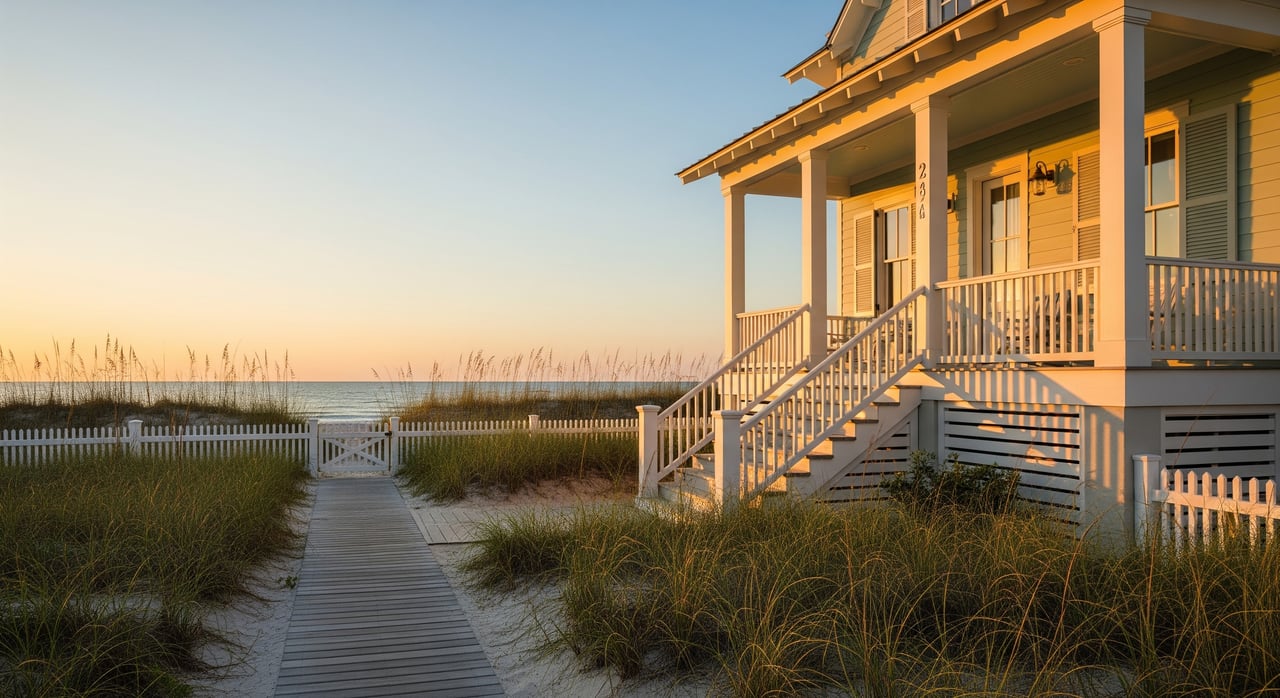
Owning a Home in Seaside, Florida: What to Expect
February 5, 2026
February 5, 2026
Imagine stepping out your front door and walking to coffee, the beach, and a sunset concert without getting in your car. If you’re weighing a home in Seaside, you likely want a clear picture of the lifestyle, community standards, ownership costs, and rental potential. In this guide, you’ll learn how Seaside works day to day, what to expect from its design rules, how seasonality impacts life and rentals, and the key steps to buy with confidence. Let’s dive in.
Seaside is a compact, Gulf-side village on Scenic Highway 30A in Walton County, known for walkability, front porches, and human-scale streets. It is one of the best-known examples of New Urbanism, where homes, shops, and greens connect in a tight footprint. To learn more about community events, layout, and services, start with the Seaside official website. For design history and planning principles, the Seaside Institute offers helpful context.
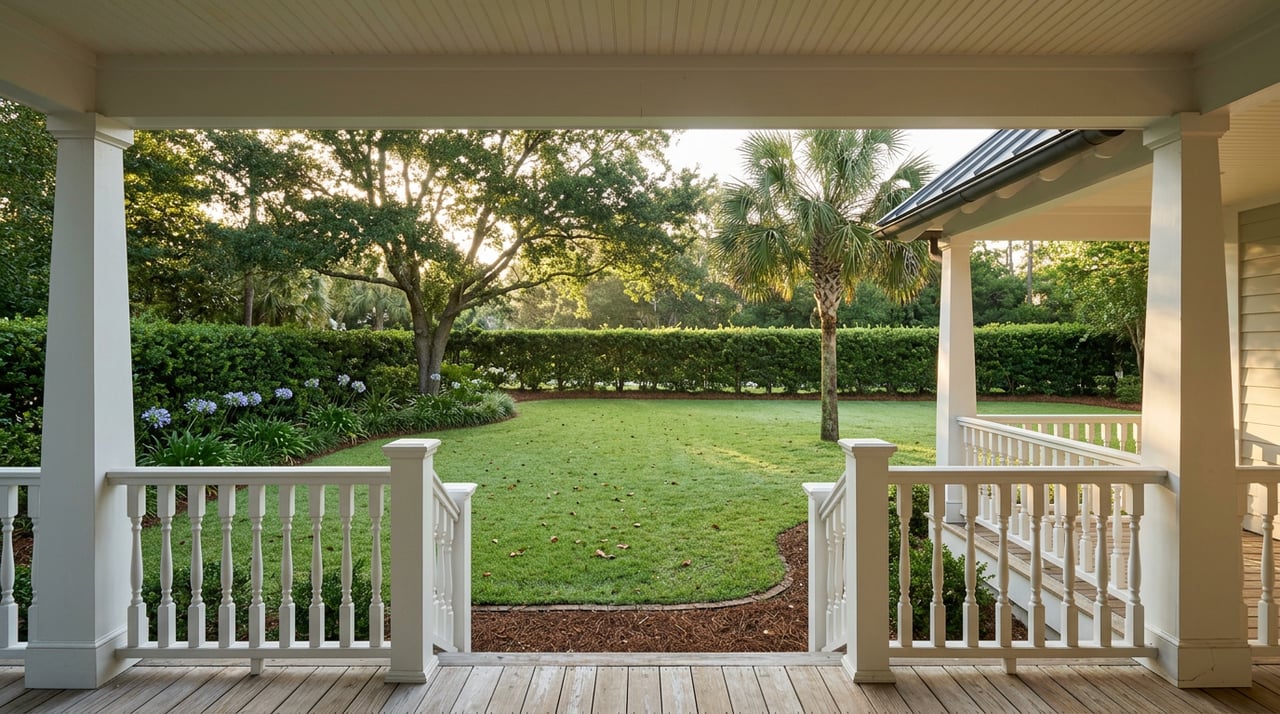
Seaside’s housing mix centers on beach cottages, townhomes, and a few small multi-unit buildings. Lots are smaller than typical suburbs, and homes sit closer together, which emphasizes shared greens and lively streets rather than private yards. Architecture leans coastal cottage with simple pitched roofs, clapboard or board-and-batten siding, and generous porches.
Seaside uses strong design controls to preserve its look and feel. Most exterior changes and new construction go through a design review process, and owners follow community CC&Rs that guide materials, colors, and massing. Before you plan a remodel or addition, review architectural guidelines and governance resources on the Seaside official website. Expect a collaborative process that balances your preferences with neighborhood standards.
Life here is built for walking and biking. You can stroll to the town square, grab a pastry, browse boutiques, and head to the sand in minutes. Public greens and plazas host markets and seasonal concerts, which adds to the village feel.
Multiple beach access points sit a short walk or bike ride from most homes. You can swim, paddle, fish, and cycle the 30A corridor. During peak seasons, expect high visitation and a busy shoreline, especially around public access points.
The town center offers cafes, casual and sit-down dining, bakeries, galleries, and small services. For bigger errands like major groceries, medical specialists, or large-format retail, many residents visit nearby 30A towns or regional hubs. Daily needs are often walkable, but a car remains useful for broader errands.
Seaside sits along Scenic 30A with quick connectivity to U.S. Highway 98 and regional routes. Two airports serve most owners and guests: Northwest Florida Beaches International (ECP) near Panama City Beach and Destin–Fort Walton Beach Airport (VPS). Within Seaside, you’ll likely rely on foot and bike; for regional trips, plan on driving and seasonal traffic.
Visitor rhythms shape daily life. High season typically runs from late spring through summer and holiday weeks. You’ll see more foot traffic, busier restaurants, and tighter parking. Off-season is quieter, with a relaxed pace and easier access to local favorites.
Many owners choose short-term rentals to offset costs. Rules vary by property, community documents, and county ordinances. Before you buy, confirm whether a home has an existing rental license, what the CC&Rs allow, occupancy limits, and how taxes are collected. Strong demand supports bookings, but success depends on seasonality, guest experience, pricing strategy, and property condition.
Rental income can be compelling, but it comes with realities: turnover cleanings, management fees, wear and tear, and strict adherence to noise and parking policies. Many owners use professional management to protect the guest experience and their home. If you want a hands-off approach, look for a team that can integrate purchase guidance with turnkey rental planning.
Homes near the Gulf face hurricane winds and potential coastal flooding. Check your FEMA flood zone and consider an elevation certificate to understand risk and insurance needs using the FEMA Map Service Center. Most owners carry separate flood coverage along with wind or hurricane policies. For statewide insurance conditions and guidance, consult the Florida Office of Insurance Regulation.
Coastal building codes may require impact-rated windows, elevated foundations, and specific wind-load standards. Beachfront or dune work often involves state or federal review. For shoreline and environmental permitting, visit the Florida Department of Environmental Protection.
Property taxes are set and collected by Walton County. You can review assessed values, exemptions, and parcel details on the Walton County Property Appraiser. Community fees or special assessments can apply, so review CC&Rs and meeting minutes during due diligence.
Salt air accelerates corrosion and paint wear. Plan for more frequent exterior touch-ups, regular HVAC filter changes, and diligent roof and deck maintenance. Native landscaping practices and dune protections may guide what you can plant or modify near the shoreline.
Use this quick list to move from interest to clarity:
Choose Seaside if you value walkability, a cohesive village aesthetic, and a vibrant town center that runs on a seasonal rhythm. Expect thoughtful design standards, smaller lots, and a lifestyle anchored by porches, plazas, and the beach. If you want a home that pairs enjoyment with potential rental income, Seaside can deliver, provided you approach insurance, maintenance, and compliance with care.
Ready to explore homes and map a smart ownership or rental strategy on 30A? Connect with the Bellville Team to align your goals with the right property and a seamless plan to enjoy it.
Experience a level of service that goes beyond transactions. Whether you’re buying, selling, or exploring short-term rentals, we’re here to offer personalized insights and exclusive local expertise. Let’s collaborate to unlock your dream lifestyle on Santa Rosa Beach—because every connection brings you one step closer to the home you deserve.