Are you drawn to Alys Beach’s timeless architecture but unsure how the HOA works behind the scenes? You want clarity on design rules, fees, amenities, and rental policies before you commit. In this guide, you’ll learn how the association is structured, what approvals you may need, what dues typically cover, and which documents to request so there are no surprises. Let’s dive in.
How Alys Beach HOA operates
Alys Beach is a private, master-planned community governed by recorded covenants and administered by a homeowners association. The association’s Board of Directors is elected by owners and manages budgets, assessments, rules enforcement, and common-area upkeep according to Florida law and the community’s governing documents.
Key governing documents usually include the Articles of Incorporation, the Declaration of Covenants and Restrictions, Bylaws, Rules and Regulations, and separate Design Standards. You should review the most current versions to understand your rights and responsibilities.
Board roles and owner oversight
- The board sets policies, adopts budgets, and levies assessments.
- Architectural control is often overseen by an Architectural Review Board or Design Review Committee.
- Florida statutes set procedures for meetings, notices, records access, elections, and reserve disclosures to protect owners’ rights.
What to confirm before you buy
- The exact legal entity that governs your property, including any master and sub-associations.
- Whether any developer rights remain in effect that might affect future rule changes or control.
- Any parcel-specific covenants in addition to the master Declaration.
Design rules and approvals
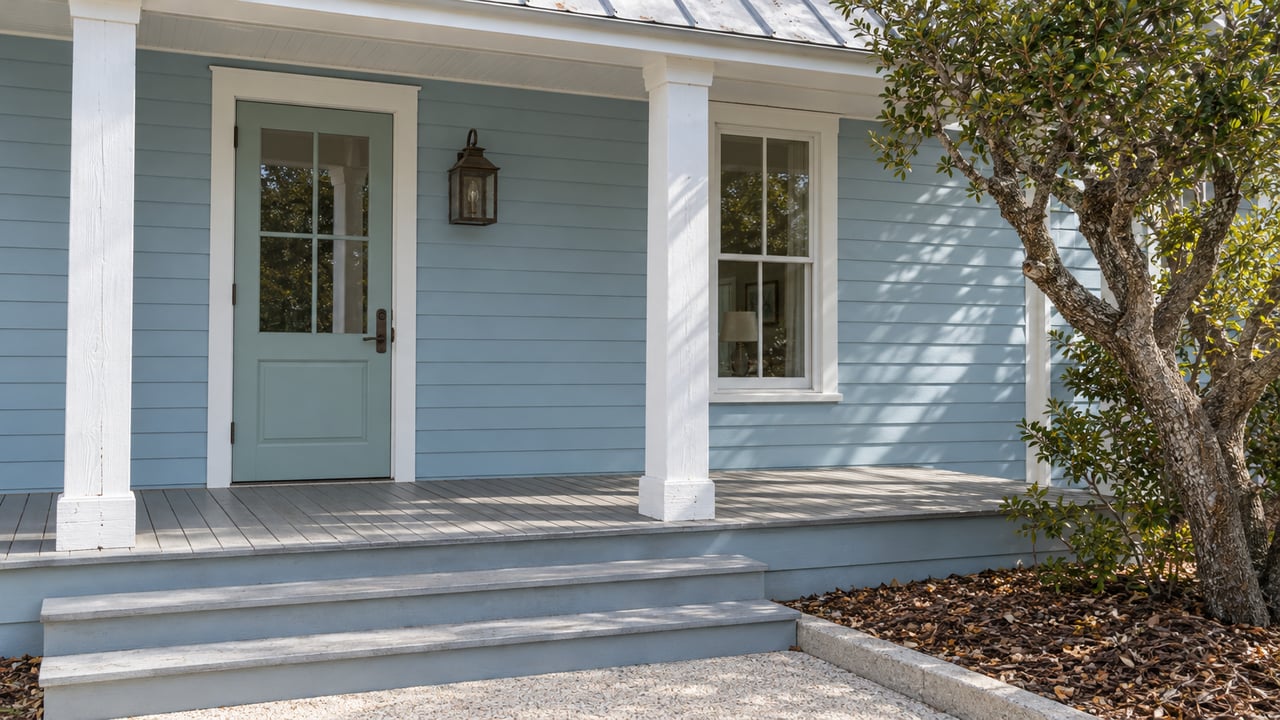
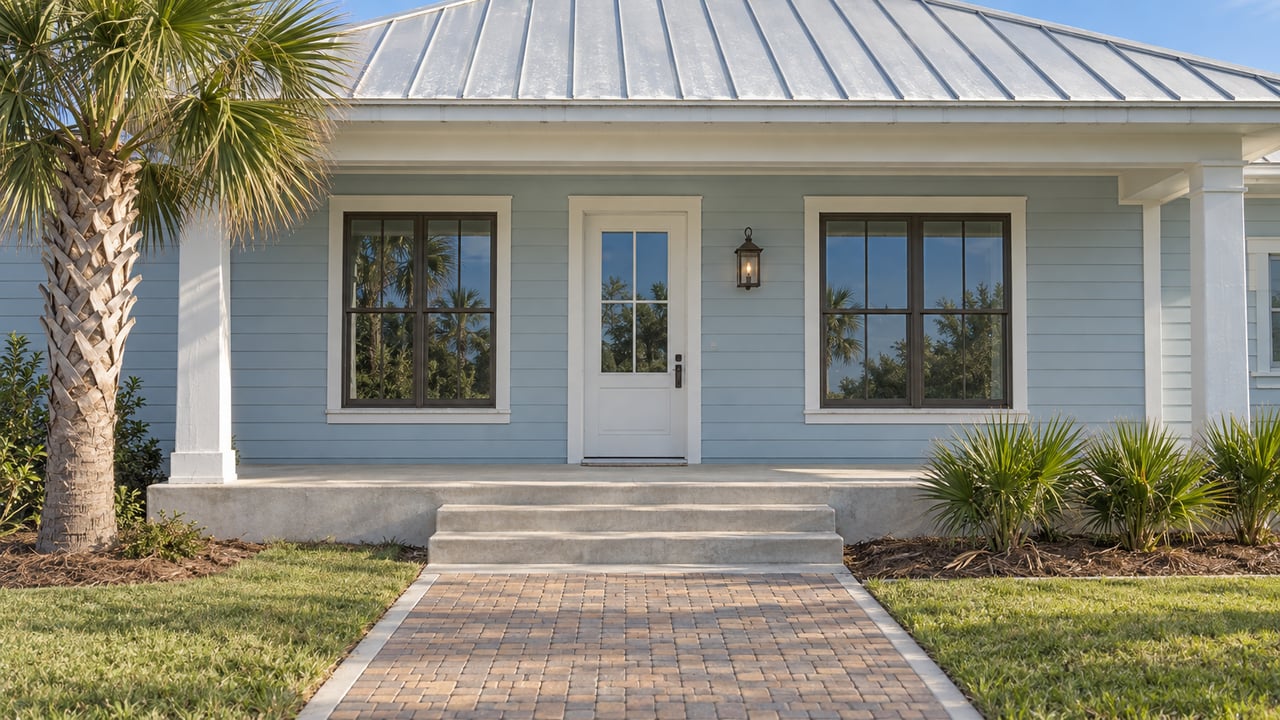
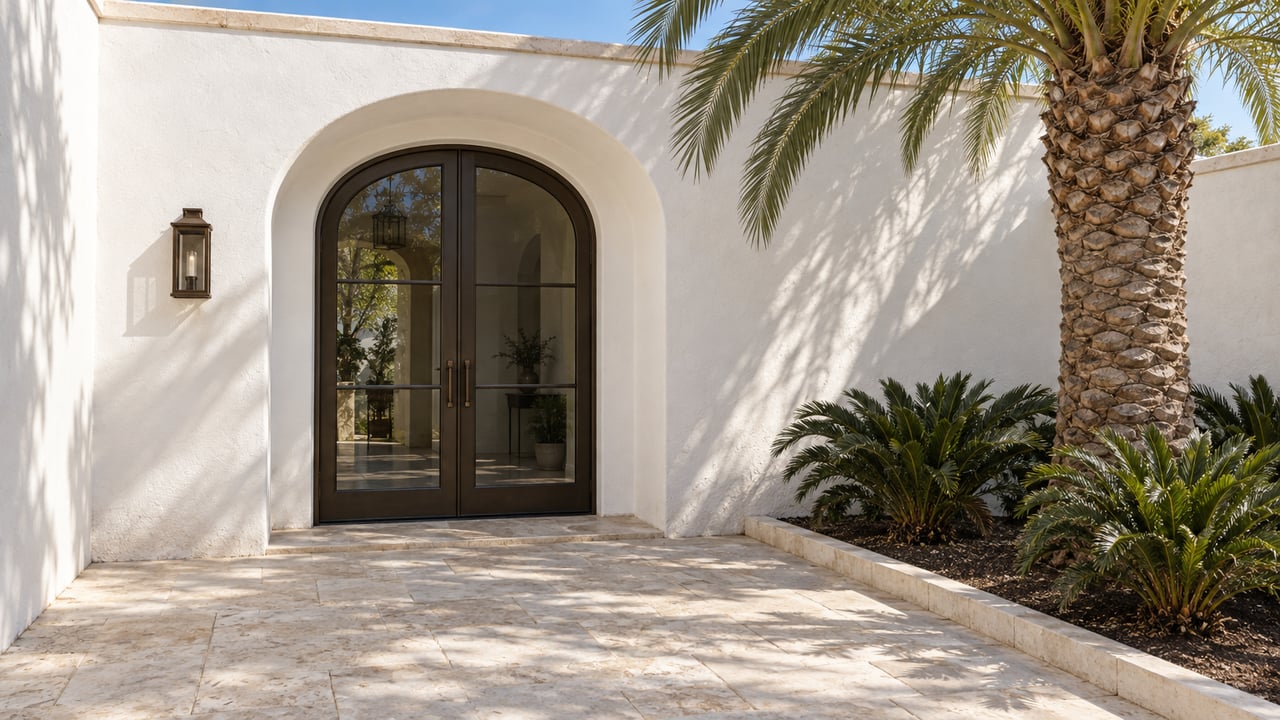
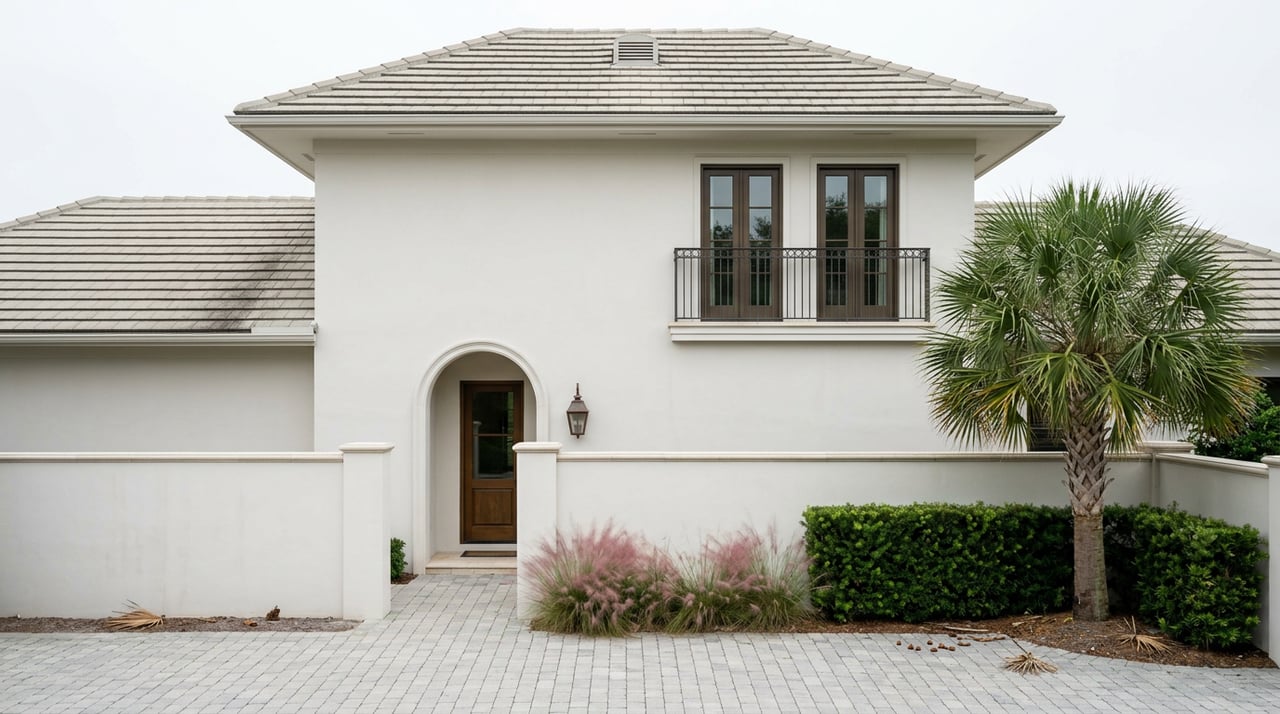
Alys Beach is known for consistent, high-quality design. That consistency is protected by detailed Design Standards that guide exterior materials, roof forms, colors, setbacks, landscaping, lighting, and fencing.
Before you plan any exterior change, expect to seek formal approval. Architectural approvals are typically required for new construction, additions, pools, hardscape, major landscaping, and visible exterior updates.
Architectural review steps
- Pre-application consult to align on vision, requirements, and timelines.
- Formal submission with drawings, specifications, and materials.
- Review and written decision, which may be approval, conditional approval, or denial.
- Revisions or appeals if needed. Some projects require fees or construction deposits.
Common use and conduct rules
- Exterior changes: approvals for paint, windows, roofing, porches, pools, and large plantings.
- Use restrictions: residential use standards and rules for home-based businesses and signage.
- Nuisance and conduct: noise, exterior lighting, trash storage, and property upkeep.
- Parking and vehicles: street and guest parking rules, oversized vehicle limits, and construction parking.
- Pets: possible limits on number, leash requirements, and waste removal obligations.
- Leasing and rentals: short-term rental rules vary by community and over time. Confirm current policies and any Walton County requirements before relying on rental income.
Fees and assessments
Your HOA assessments fund the ongoing operation and long-term health of the community. Assessments can be billed monthly, quarterly, or annually, and may include separate transfer or administrative fees at sale.
What dues usually fund
- Common-area maintenance such as landscaping, streets, sidewalks, lighting, and irrigation.
- Beach access maintenance where provided privately.
- Pools, clubhouses, and facility operations.
- Security or gate services if applicable.
- Insurance for common elements and association liability.
- Professional management and administrative support.
- Utilities for shared facilities.
Reserves and special assessments
Well-run associations set aside reserves for future capital needs, drawing on reserve studies to plan for items like roadway resurfacing or pool refurbishment. Special assessments may be levied for unexpected costs or major projects if reserves are not sufficient.
At closing: estoppel certificate
In Florida, you can request an association estoppel or resale certificate. This document discloses the current assessment amount, any unpaid balances, and any pending special assessments that affect the property. It is an essential part of your due diligence.
Amenities and access
Alys Beach is part of a coastal lifestyle where amenities are central to daily living. In planned resort communities like Alys Beach, you can expect a mix of private and publicly accessible spaces.
Typical amenities in similar communities include managed beach access, pools, fitness or club facilities, plazas and parks, event programming, and curated streetscapes with bike and pedestrian paths. Confirm the exact list of amenities and access policies in the current HOA documents.
Owner and guest privileges
Some amenities are reserved for owners and registered guests. Access may require resident or guest passes, and privileges can be limited or suspended if rules are violated or assessments are unpaid, consistent with state law.
Vendor, construction, and moving rules
Expect defined hours for construction, moving, and deliveries along with requirements for contractor insurance, deposits, and staging. Rules often govern dumpster placement, parking for trades, and restoration of disturbed landscaping.
Enforcement and disputes
Associations use progressive tools to encourage compliance. Florida law and the governing documents establish due process and owner protections.
Fines, suspensions, and liens
- Fines for rule violations and cost recovery for remediation.
- Temporary suspension of amenity privileges, subject to legal limits.
- Liens for unpaid assessments and, if unresolved, potential foreclosure after required notices and timelines.
Hearings and resolution options
Rules commonly include a notice and hearing process and may allow internal appeals. Mediation is often encouraged before litigation, especially for architectural or interpretation disputes.
Buyer and seller checklist
Before you finalize a contract, ask for these items so you understand the financials, rules, and upcoming projects.
- Declaration of Covenants, Bylaws, and Rules and Regulations
- Design Standards or Architectural Guidelines
- Current budget and last year’s financial statements
- Most recent reserve study or reserve funding plan
- Board meeting minutes for the last 6 to 12 months
- Estoppel or resale certificate with current assessments and balances
- Any notices of pending or recent special assessments
- Summary of association insurance policies
- Management contract and major service contracts
- Any recorded easements or covenants affecting your property
- Summary of policies for guest access, parking, and amenities
Key questions to ask:
- How often are assessments billed and what services do they cover?
- Are there any approved or proposed special assessments or capital projects?
- What is the current policy on short-term rentals and tenant registration?
- What are the enforcement steps for noncompliance and late payments?
- Are any developer rights still active and how do they affect governance?
Short-term rentals and local rules
If rental income is part of your plan, do your homework first. Policies can change based on community priorities and local regulations.
Confirm STR policies with the HOA
- Ask about minimum stay requirements, registration procedures, and any blackout periods.
- Clarify owner versus guest access to amenities and parking for renters.
- Verify any fees or deposits tied to rentals.
Check Walton County requirements
- Local jurisdictions can require rental registration and tourist tax compliance.
- Coastal construction and dune protection rules may affect property improvements.
- Local noise and parking ordinances apply alongside private HOA rules.
Work with local guides
Choosing in Alys Beach is as much about lifestyle as it is about numbers. When you understand the HOA’s design standards, fees, and amenity access, you can buy with confidence and plan for the long term. If you are weighing owner use versus rental strategy, align your goals with the HOA’s rules before you commit.
Looking for expert, relationship-first guidance on 30A plus turnkey rental strategies when appropriate? Reach out to the Bellville Team for a personalized plan aligned with Alys Beach’s standards and your goals.
FAQs
Who runs the Alys Beach HOA and sets rules?
- A board elected by owners administers the association under the recorded covenants, bylaws, rules, and Florida statutes. Architectural standards are typically overseen by a review board.
How are Alys Beach HOA fees determined and billed?
- The board adopts an annual budget and sets assessments that are billed monthly, quarterly, or annually, with details provided in budgets and estoppel certificates.
What do Alys Beach HOA dues usually cover?
- Dues commonly fund common-area maintenance, amenity operations, security where provided, insurance for shared elements, professional management, and utilities for shared facilities.
What is the Alys Beach architectural approval process?
- You generally submit plans and materials for review, receive a decision with any conditions, and proceed after approval; deposits or fees may apply for significant projects.
Are short-term rentals allowed in Alys Beach?
- Policies vary and evolve; confirm the current HOA rules and any Walton County requirements before relying on rental income.
Can the HOA fine owners or place a lien in Alys Beach?
- Yes, fines and cost recovery are common enforcement tools, and unpaid assessments can result in liens and potential foreclosure, subject to state law procedures.
What documents should I review before buying in Alys Beach?
- Request the Declaration, Bylaws, Rules and Regulations, Design Standards, current budget and financials, reserve study, recent meeting minutes, insurance summary, and an estoppel certificate.
Can Alys Beach HOA rules or fees change after I buy?
- Yes, changes can occur through the procedures in the governing documents and Florida law, with required notices and owner meetings or votes as applicable.