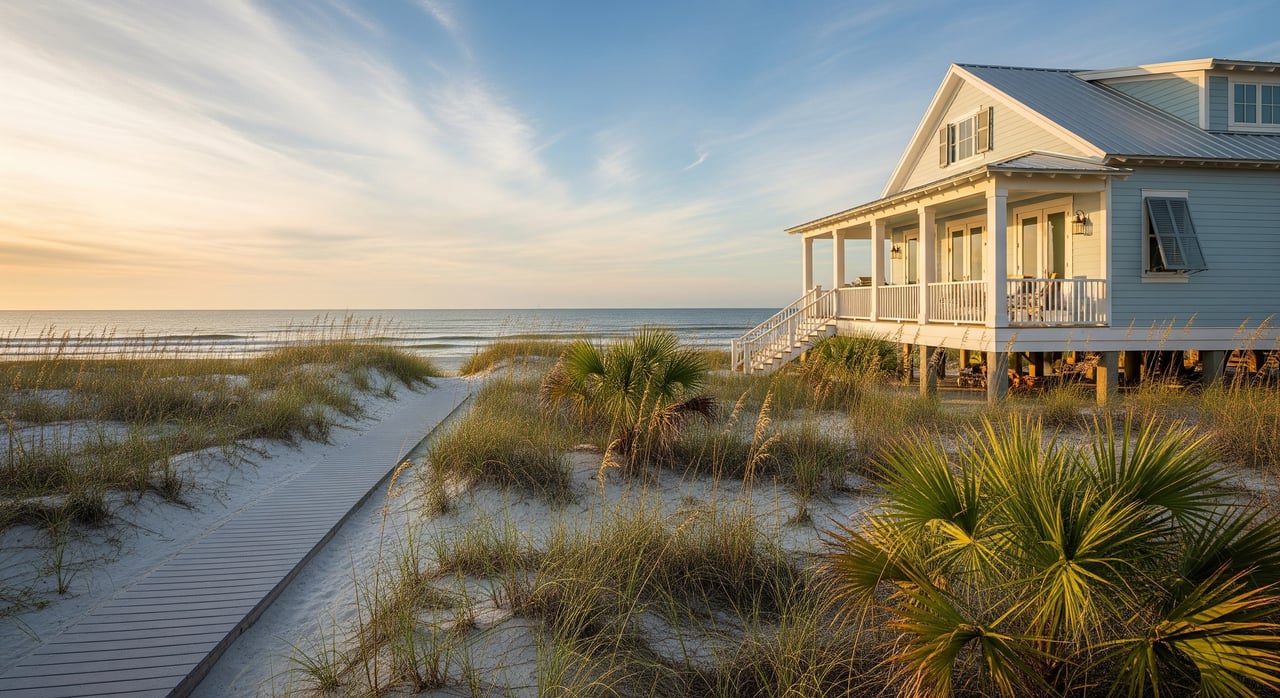
Essential Inlet Beach Second Home Insurance Basics
January 8, 2026
January 8, 2026
Dreaming of a carefree beach retreat in Inlet Beach but unsure how to insure it properly? You are not alone. Second homes on Florida’s Gulf Coast face unique risks and rules, and the coverage that protects your primary residence often is not enough here. In this guide, you will learn the essentials of second-home insurance for Inlet Beach, how flood and wind coverage work, what to expect on costs and deductibles, and the steps to secure the right policy before closing. Let’s dive in.
Inlet Beach sits on Walton County’s Gulf Coast, where hurricanes, storm surge, and coastal flooding are significant exposures. Flood is often the largest non‑wind risk, and your property’s specific elevation and FEMA flood zone will strongly influence pricing and requirements. Over time, erosion and sea level rise can also affect risk and long-term planning.
Florida’s insurance market has seen higher claims from recent severe weather. That has contributed to rising premiums in many coastal areas and tighter underwriting by some private carriers. In certain cases, homeowners rely on Citizens Property Insurance, the state’s insurer of last resort, when private options are limited. In this environment, shopping multiple carriers, documenting mitigation features, and starting early are critical.
A standard policy typically covers the dwelling, other structures, personal property, personal liability, and additional living expenses if you cannot occupy the home after a covered loss. For second homes, insurers often apply stricter eligibility, higher premiums, and specific endorsements or restrictions. Theft and vandalism coverage can be limited if the home is considered vacant for a period defined by the policy. Coverage for short‑term rentals is usually excluded unless you add an endorsement or purchase a different policy type.
Flood damage is not covered by standard homeowners insurance. If your home is in a Special Flood Hazard Area, lenders typically require flood insurance. With the National Flood Insurance Program, standard maximums are generally $250,000 for building coverage and $100,000 for contents. NFIP policies usually have a 30‑day waiting period before they take effect, with limited exceptions. Private flood insurers may offer higher limits, different underwriting, and different waiting periods. Your Elevation Certificate, flood zone, and local base flood elevation are key inputs for pricing.
In Florida, wind damage from hurricanes or named storms often carries a separate hurricane or named‑storm deductible. This is usually a percentage of the dwelling coverage amount rather than a flat dollar figure. For coastal properties, insurers may separate windstorm from other perils or apply different deductibles. Documented wind‑mitigation features like roof type and attachment, secondary water resistance, and opening protection can help lower costs.
If you leave the home unoccupied for extended periods, your insurer’s vacancy rules may limit or exclude certain coverages. Many policies define vacancy by the absence of occupants and certain personal property for a set time frame, often 30 to 60 days, though this varies. If you plan to rent the home, especially on a short‑term basis, a standard homeowners policy typically does not suffice. You will need a short‑term rental endorsement or a policy designed for rental operations. Longer‑term rentals usually require a landlord or dwelling policy.
Flood risk varies property by property. To understand yours, confirm the FEMA Flood Insurance Rate Map zone and request an Elevation Certificate if available. Properties in coastal high‑hazard zones like VE often have higher exposure to storm surge and higher premiums. Even if your home is outside a Special Flood Hazard Area, flood coverage can still be wise due to surge and heavy rain during tropical systems.
If you have a mortgage and your home is in a Special Flood Hazard Area, your lender will usually require flood insurance. Keep the NFIP’s 30‑day waiting period in mind, unless an exception applies. If you are comparing NFIP to private flood coverage, look at limits, waiting periods, and how each carrier uses elevation and construction details in their pricing.
Coastal underwriting often focuses on roof age and condition, roof covering type, roof‑to‑wall attachments, and opening protection like impact glass or shutters. Inspections or wind‑mitigation reports can unlock discounts and help an underwriter view your property more favorably. Modern building codes and documented upgrades can reduce risk and may lower premiums.
If you are evaluating multiple listings, ask for roof age and any available wind‑mitigation documentation early. These details can materially affect both insurability and total cost of ownership.
If you intend to host short‑term guests, standard homeowners coverage typically excludes that use without an endorsement or a different policy tailored to rental activity. Policies designed for rentals address increased liability and guest turnover. For seasonal or longer‑term tenants, a landlord or dwelling form is usually required. If your property is a condominium, review the association’s master policy to understand what it covers and where you need to fill gaps, including personal flood coverage for contents.
Clarify your rental plan before you shop for insurance. The frequency and type of guest stays will shape which policy options fit and how an insurer views your risk profile.
Start insurance conversations as soon as you go under contract. Line up homeowners and flood quotes at the same time so you can see your full risk picture. Confirm hurricane or named‑storm deductibles and what triggers them under each policy. If flood insurance is required, account for the typical 30‑day NFIP waiting period unless an exception applies, and make sure your effective date aligns with your closing and lender requirements. Keep all documentation handy in case an underwriter requests more detail.
Inlet Beach’s coastal setting rewards careful planning. Your flood zone, elevation, roof condition, and intended use all influence your options. Gathering documentation and clarifying your rental plans early will help you avoid coverage gaps and surprises.
If you are exploring a purchase on 30A or nearby, we are here to help you plan the logistics and timelines around insurance, inspections, and closing. For concierge guidance on second homes and vacation rentals in Inlet Beach, reach out to the Bellville Team. We will help you take the right next step with clarity and confidence.
Experience a level of service that goes beyond transactions. Whether you’re buying, selling, or exploring short-term rentals, we’re here to offer personalized insights and exclusive local expertise. Let’s collaborate to unlock your dream lifestyle on Santa Rosa Beach—because every connection brings you one step closer to the home you deserve.